‘An Irish Angel of NYC’s Lower East Side’
Meet Fr. Pat Moloney, a Melkite (Greek Catholic) priest, was born in the year of the Eucharistic Congress (Dublin) in 1932. Born in a tenement room, with three siblings, in the poverty ridden heart of Ireland’s Limerick City, within a stone’s throw of the well-known Mc Court brothers, Malachy and Frank. Frank’s book and subsequent award winning movie ‘Angela’s Ashes’ will take you right into Fr. Pat’s childhood life. He was born into a fiercely Irish Republican family, his father was a republican volunteer, who was active in the Easter rising in 1916 and the war of Independence. Fr. Pat was seriously proud of his father’s activities and still possesses most of his personal memorabilia. However, his republican beliefs landed him in some hot water later in life.
After basic school and early work experience, Patrick immigrated to the USA to become a priest. He joined a seminary in Baltimore, where he studied for a year, then moved to NYC and eventually landed in the notorious Lower East side of Manhattan in 1956. Patrick Moloney enrolled in St. John’s University in Brooklyn, studying Philosophy and Theology, at the age of 24. To support himself, he got a part time job at an orphanage in Staten Island, and bought an old beat up car to get around. Fresh from his own poor childhood, he was immediately struck by the extreme poverty, lack of facilities, and homelessness, and alienation of the local youth of his new neighbourhood. The conditions affected him deeply and so prompted him to organise help and assistance to the young people of the area. Fr. Pat is still there today. And as he would say it
“And I never left, except for ‘a few short sojourns’ that took me away”.
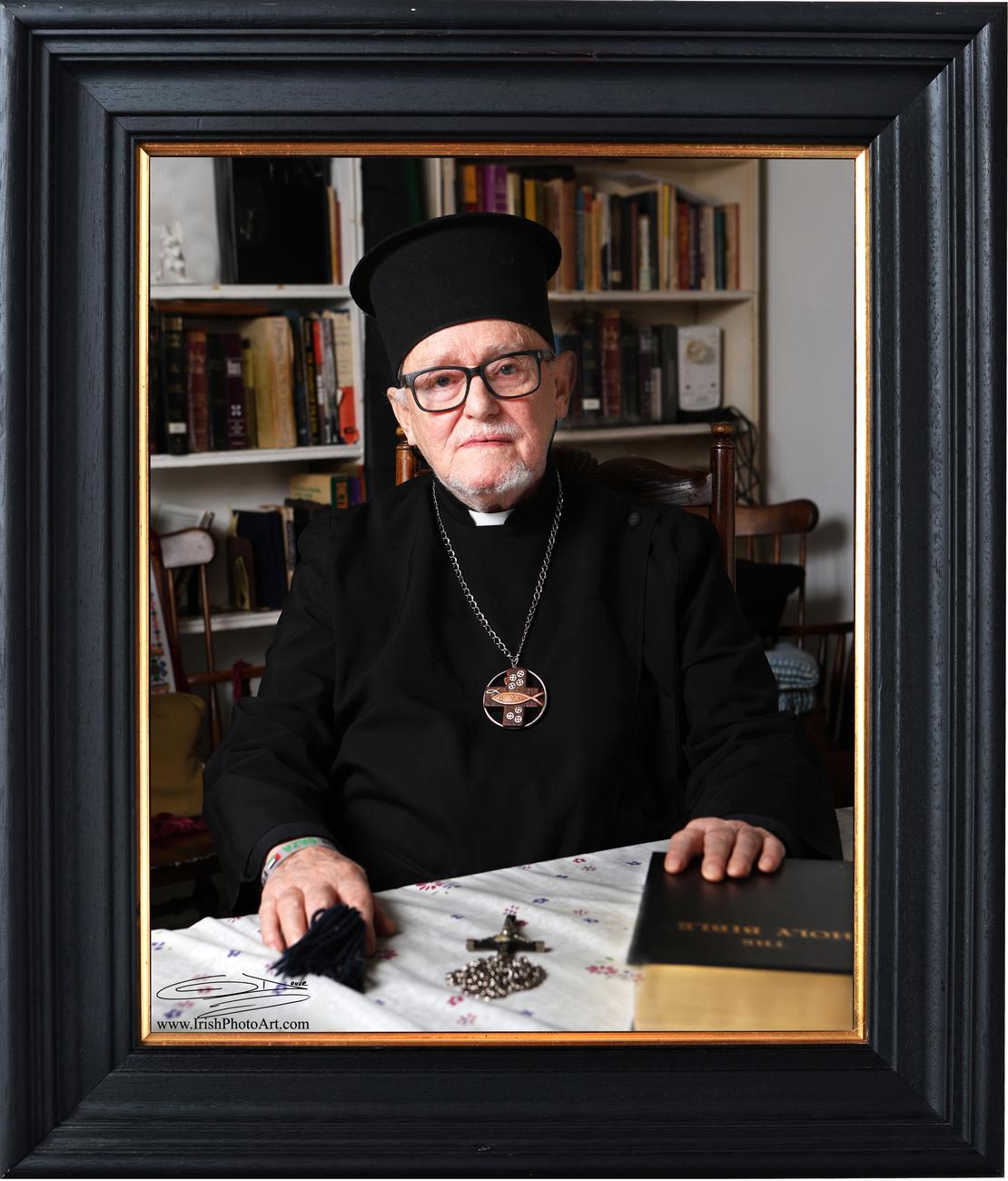
He founded and ran a charity that provided shelter, food, counselling, spiritual guidance, legal aid, and education to young people, grappling with addiction, mental illness, family breakdown, abandonment and trauma. All in borrowed spaces, premises and store fronts, and always with the help of volunteer friends and colleagues. In 1961, Patrick purchased a 5 story brownstone house on East 9th. Street, near Tomkins Square park, which he named ‘Bonitas House’ (Bonitas is Greek for goodness) and that has been the centre for ‘The Bonitas Youth Services’ ever since.
Fr. Pat finally became a priest of the Melkite Eastern Catholic Church (affiliated to the Roman Catholic Church) in 1977, mainly because he wished to live a more, simple Christian life, and a path of radical commitment, without the comfortable parish life, politics and the symbolism of the roman church. Of the Lower East side Fr. Pat explains, in the sixties when ‘Bonitas House’ opened, the early Caucasian residents were not happy, and the young homeless and troubled youth, who were given shelter there, were looked down upon. Those European settlers, who now had found their feet and were moving onwards and upwards. What was the most Kaleidoscopic neighbourhood in the city, a vibrant Eastern European village of German, Polish, Russian, Irish, Italian, and Jewish merchants, offering delis, bakeries, fabric, furniture, and a variety of service stores, who had now forgotten where they themselves came from all those years ago. The area was now becoming neglected and run down. Who moved in were scores of young Black, Hispanic, Chinese and Puerto Rican families. They brought with them the sound of children everywhere, in the park, on the streets, in the buildings, the sound of pure music filled the air. As they all grew up they began forming into various ethnic/area street gangs, creating different problems. Fr. Pat, instead of confrontation, had conversations with the different gangs of young people. His question to them was ‘why fight each other, when they could together confront the common enemy, which was poverty and unjust slum landlords’.
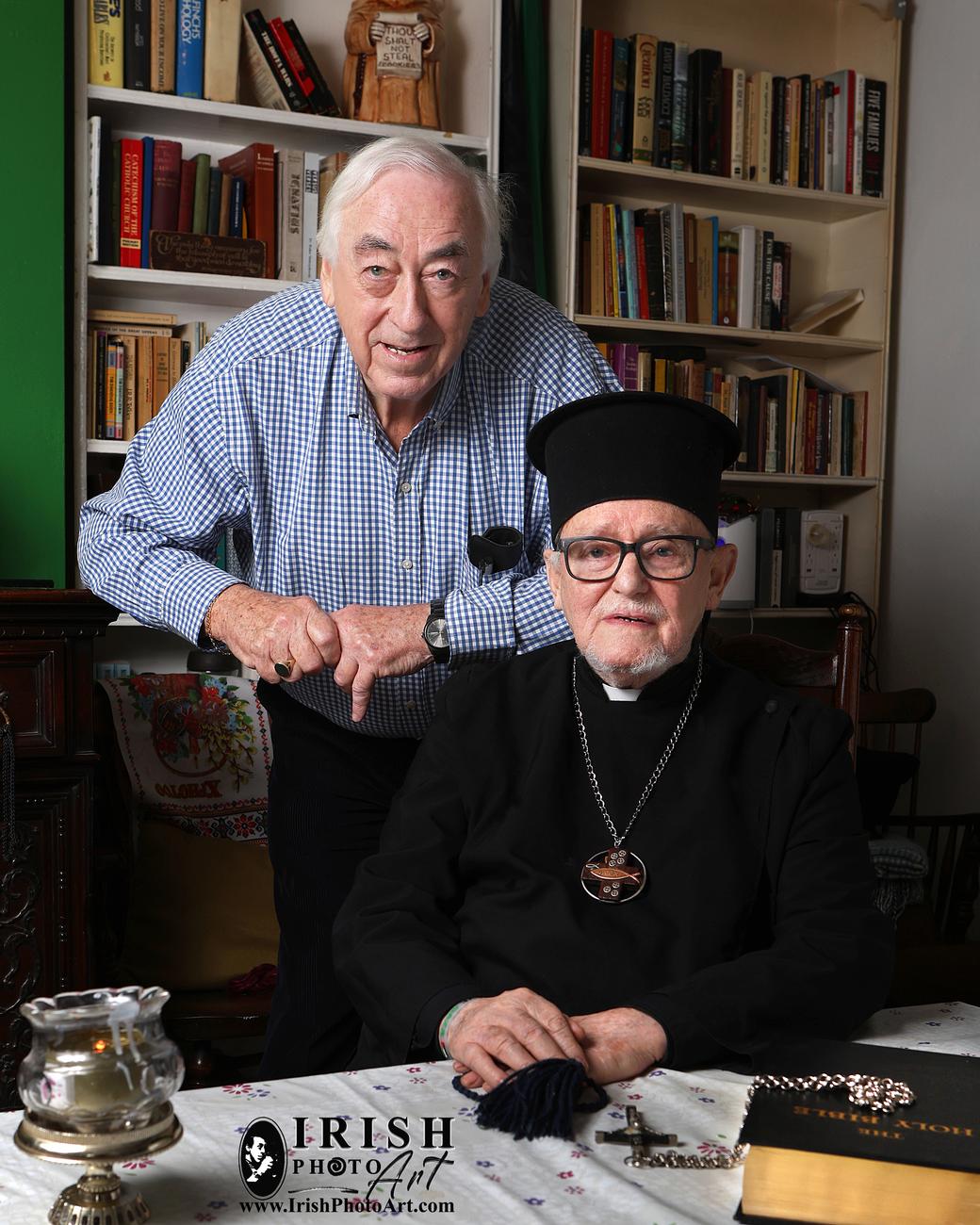
Central to Fr. Moloney’s work, is his absolute devotion to God and his faith. His spirituality is not abstract or ceremonial, but lives daily, through action. His work reflects a belief that charity is not optional but a moral obligation, regardless of how difficult or controversial that commitment might become. To quote Fr. Pat Moloney “My work is a mystery and a miracle, because it succeeds without asking for anything from anybody. Because I believe in the power of God and that He will provide for us. I recognise the value of each person, because I know that God placed a ‘Devine spark of goodness’ in each person – all we have to do is find it. God also said Blessed are the poor for theirs is the kingdom.” Throughout the decades, Fr. Pat has opened his door to thousands of troubled youth and young adults, giving them shelter, food, advice and help and connecting them with constructive activities to keep them safe and off the streets and away from crime and drugs. The success of his charity is all the more commendable as he does not advertise in any way, he is not on any list, and he is non-commercial and not for profit. In effect, his work and services are strictly word of mouth.
In 1993, Fr. Pat became internationally known and a more controversial figure. It was the result of a daring robbery upstate New York. On the night of January 5, 1993, armed and masked men entered the Brinks depot in Rochester. They made off with $7.4 million, in unmarked cash, destined for ATM machines. This was the largest cash depot robbery in the US and the fifth largest robbery in U.S. history. NY State as well as local police and the FBI began a countrywide investigation. There were no clues, no information and no ideas as to the identity of the robbers. The investigation was under serious government and state pressure to come up with a result. Someone somewhere came up with the notion that it was terrorists and likely an IRA job. Unfortunately, Fr. Pat Moloney’s name surfaced as an active member (mainly due his brother being caught bringing arms and ammunition into Ireland 10 years earlier. Fr. Pat was in Ireland at the time and was also questioned there, then released.
Bonitas House was surrounded in February of 1993. Fr. Pat was arrested as a sizable amount of cash was found in the charity’s safe and Fr. Pat was sentenced to 51 months in a Federal prison in Pennsylvania for conspiracy to possess federally insured money, although the seized money could not be physically connected to the Brinks robbery.
His ‘Bonitas House charity’ was kept alive with friends and volunteers. On his release, Fr. Pat said, “it was the greatest privilege of my life to be placed among federal prisoners of all levels”. The event did however thrust him into the public eye and for some, overshadowed decades of quiet service. Ultimately, Fr. Pat’s legacy cannot be reduced to one single event or media portrayal. It rests in the thousands of lives he touched over six decades of unwavering service. His life reflects a priesthood rooted in sacrifice, conviction, and faith. A man whose devotion to God, expressed itself most clearly in his relentless care for society’s most vulnerable.
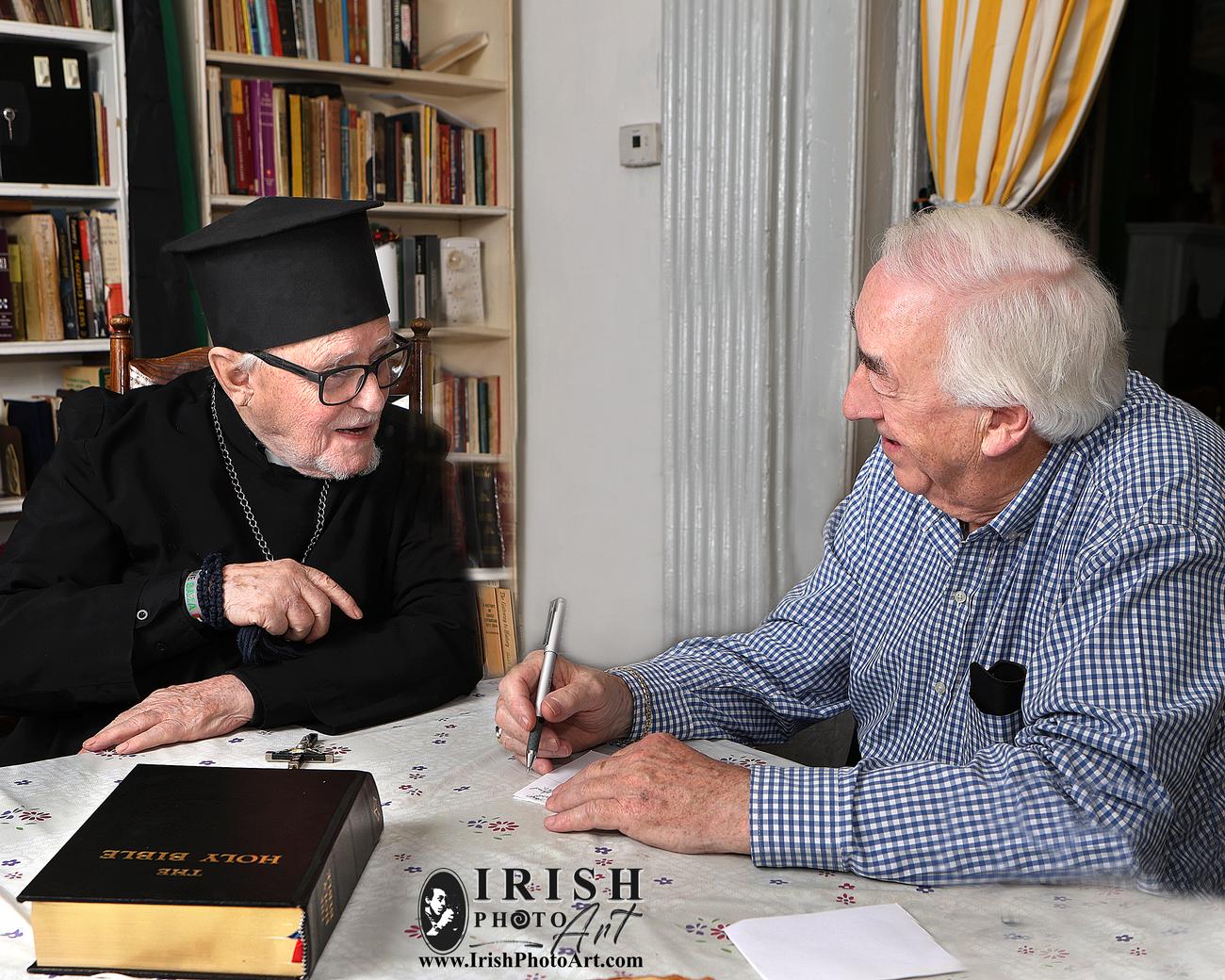
Some weeks ago, I had the privilege of meeting this holiest of men at Bonitas House. Fr. Pat is in his 93rd year and would put most of us to shame. A man with a brilliant mind, driven by a high level of integrity and a memory as sharp as a tack. A true orator, loves conversation and no subject or question was off limits. We experienced a warm and friendly hospitality and atmosphere throughout, and he treated us with patience and unlimited time. Finally meeting Fr. Pat Moloney was one of life’s great experiences. Much has been written and filmed about this man and Google will provide most of it from across the world, including the Discovery+ documentary ‘Holy Heist’. However, in today’s world of so-called journalism, truth has a habit of being chewed up as fodder for sensationalism and opinion becomes more important than facts.
I want to thank Fr. Pat and his volunteers for their welcome and their hospitality.
I also want to thank a friend, Jackie Mc Cabe in Wicklow, for pointing me in his direction.
And I want to thank Gustav, my photographer friend for 30 years, for being my assistant and providing equipment for the shoot.
This story sits well in the season that’s in it. Merry Christmas Everyone!